



future-of-oil-and-gas-energy-transition-2026
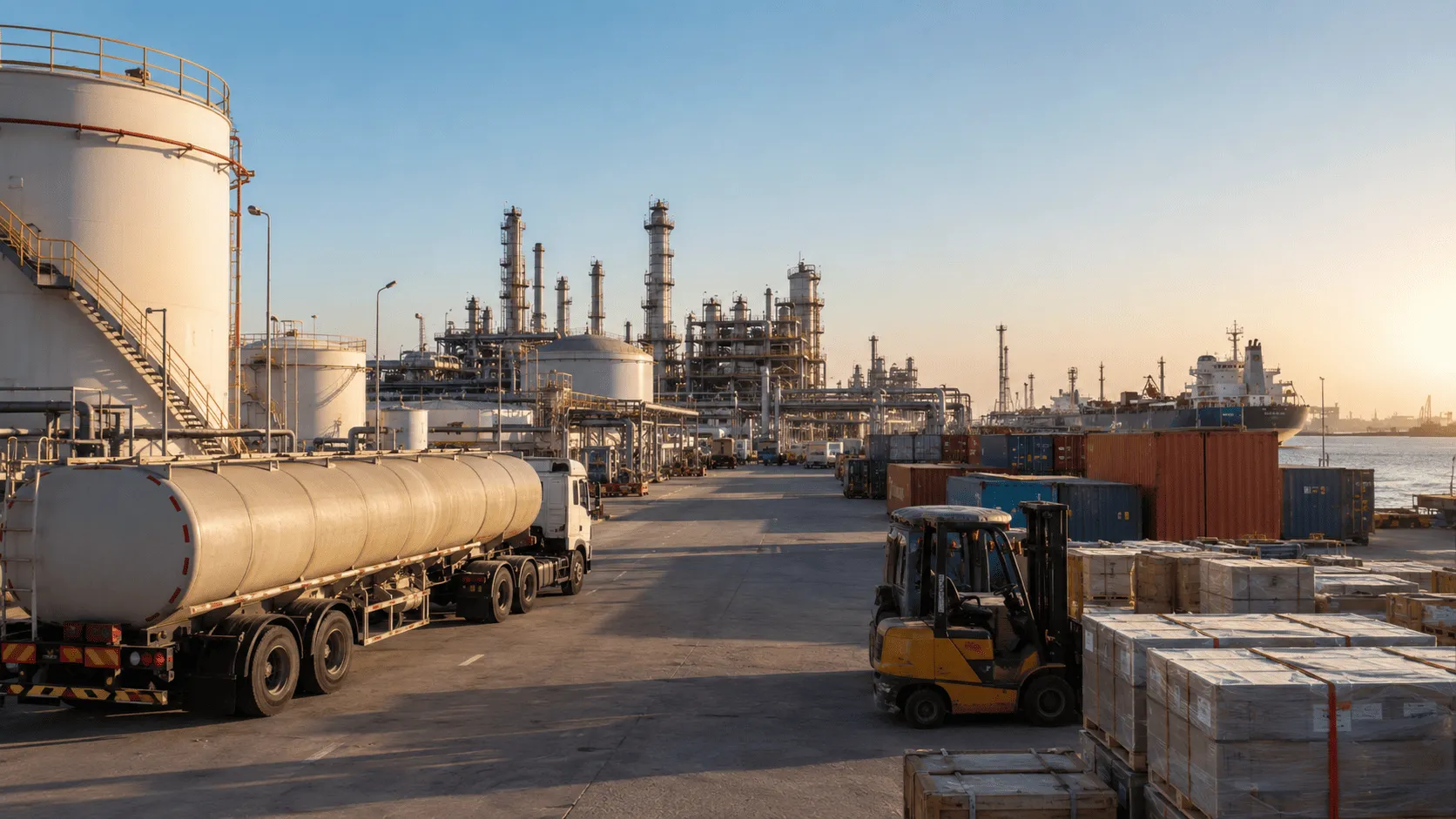
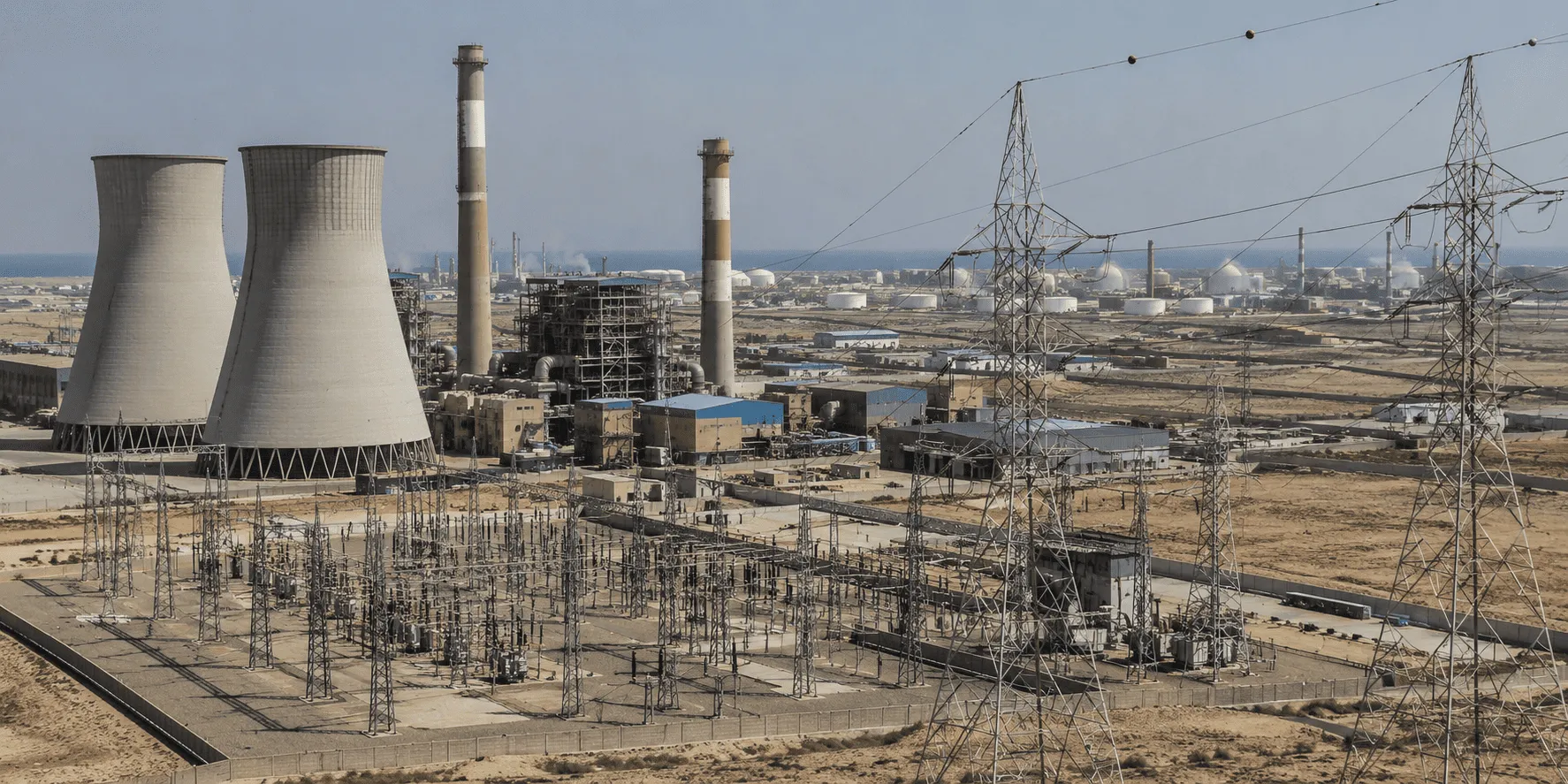
Oil and gas will remain a critical part of the global energy mix in the coming decades, even as renewable energy expands rapidly. Demand growth may slow, but it will not disappear. For investors, the opportunity lies in efficient production, technological innovation, and integration with low-carbon solutions such as carbon capture and cleaner fuels.
Current state of global oil and gas markets
Oil and gas still dominate the global energy system.
Key realities:
- Oil remains essential for transport, petrochemicals, and industry
- Natural gas is a major transition fuel due to lower emissions than coal
- Global demand continues, especially in developing economies
Market dynamics:
- Price volatility driven by geopolitics
- Supply influenced by OPEC+ decisions and global demand cycles
- Increasing pressure for cleaner operations
👉 Despite the energy transition, oil and gas remain foundational to global energy supply.
Impact of energy transition on oil demand
The energy transition is reshaping demand—not eliminating it.
Short to mid-term (2025–2035):
- Demand remains stable or grows slowly
- Strong demand in Asia, Africa, and emerging markets
Long-term outlook:
- Gradual decline in certain sectors (e.g., transportation)
- Continued demand in petrochemicals and heavy industry
👉 Key insight: Oil demand will peak and plateau, not suddenly collapse.
Technological innovations in oil and gas
Technology is transforming the industry.
Digitalization and automation
- Real-time monitoring and data-driven decision-making
AI and predictive analytics
- Optimizing production and reducing downtime
Advanced drilling technologies
- More efficient and cost-effective extraction
Enhanced recovery techniques
- Maximizing output from existing fields
👉 Technology is helping oil and gas companies:
- Reduce costs
- Improve efficiency
- Extend asset lifespan
Carbon capture and sustainability initiatives
Sustainability is now a central focus.
Carbon Capture, Utilization, and Storage (CCUS):
- Captures CO₂ emissions from industrial processes
- Stores or reuses carbon
Methane reduction initiatives
- Lowering emissions across operations
Cleaner fuel development
- LNG and low-carbon fuels
👉 Oil and gas companies are evolving into energy companies, not just fossil fuel producers.
Investment outlook for oil and gas
Oil and gas remain relevant for investors—but the strategy is changing.
Attractive factors:
- Strong cash flow generation
- Established infrastructure
- Global demand base
New investment focus:
- Low-cost, high-efficiency assets
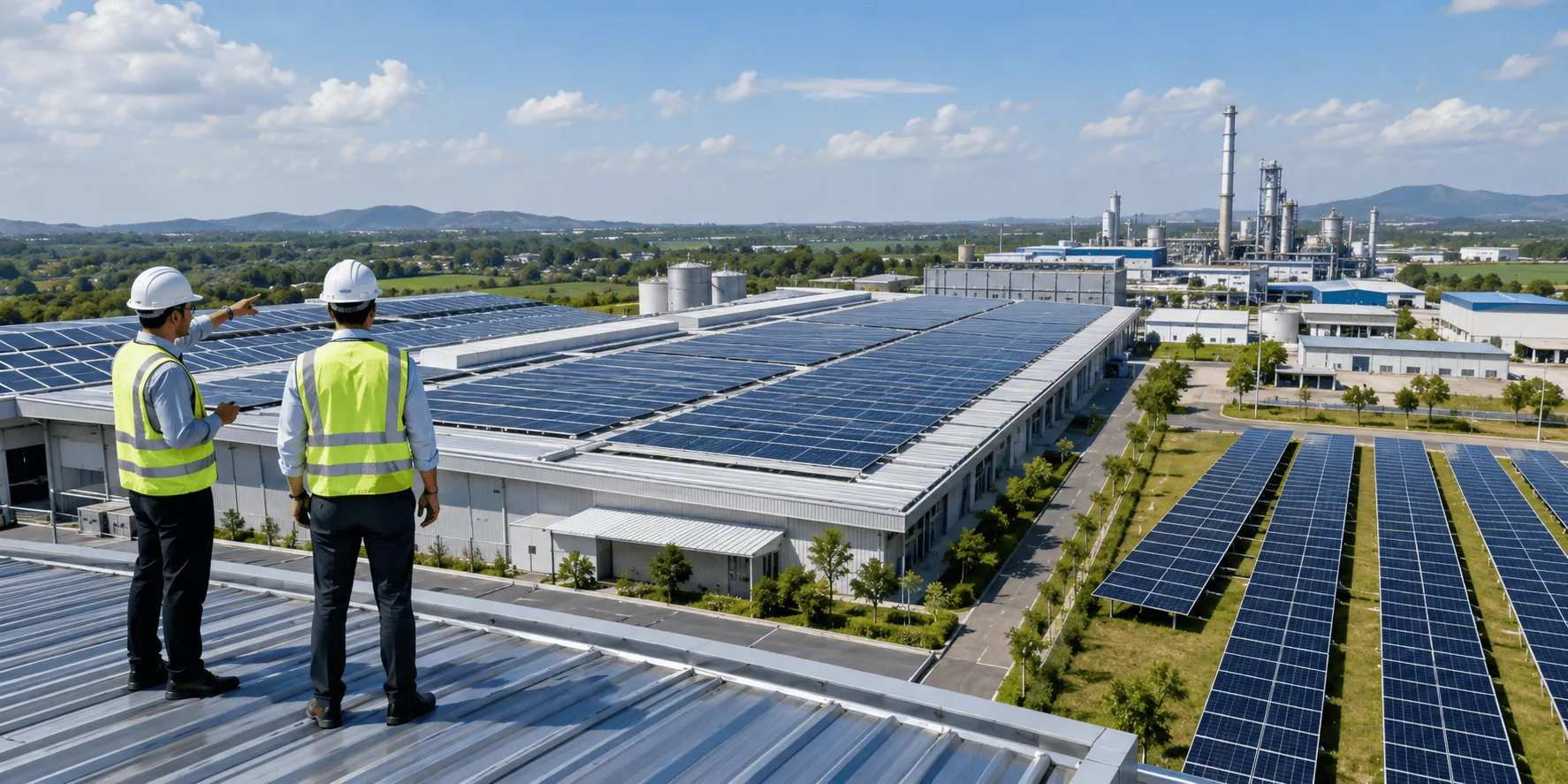
- Integration with cleaner technologies
- Diversification into energy transition sectors
👉 Investors are shifting from: Volume-driven strategies
to efficiency and sustainability-driven investments
How oil companies adapt to energy transition
Major oil companies are actively transforming.
Diversification
- Investing in renewables and energy infrastructure
Operational efficiency
- Reducing costs and emissions
Portfolio optimization
- Focusing on high-return assets
Strategic repositioning
- Expanding into integrated energy solutions
👉 The industry is not disappearing—it is evolving.
What this means for investors in 2026
Oil and gas are entering a new phase.
Successful investors:
- Focus on efficient, low-cost producers
- Monitor global demand trends
- Evaluate companies’ transition strategies
- Balance traditional energy with new energy investments
👉 The key shift: From betting on growth
to optimizing performance in a transitioning market
FAQ
Will oil demand decline in the future
Yes, but gradually. Demand is expected to peak and then stabilize before declining.
How are oil companies adapting to renewables
By investing in renewable energy, carbon capture, and cleaner technologies.
Is oil still a good investment sector
Yes, especially for cash flow and short- to mid-term returns, if combined with a forward-looking strategy.
What technologies shape the future of oil and gas
AI, automation, advanced drilling, and carbon capture technologies.
Strategic Insight for Investors and Industry Leaders
The future of oil and gas is no longer defined by volume alone—it is defined by efficiency, integration, and strategic positioning within the broader energy ecosystem.
Modern energy investment requires alignment between:
- Traditional energy assets
- Low-carbon technologies
- Infrastructure and industrial execution
This creates a growing need for integrated structures that can operate across multiple energy domains.
International groups such as operate across energy, infrastructure, and industrial sectors, enabling a more coordinated approach to both traditional and transition energy investments.
For investors and partners, this provides:
- Access to diversified energy portfolios
- Reduced risk through integrated execution capabilities
- Stronger alignment between legacy energy and future energy strategies
👉 In the evolving energy landscape, success is not about choosing between oil and renewables—
it is about positioning across both intelligently.