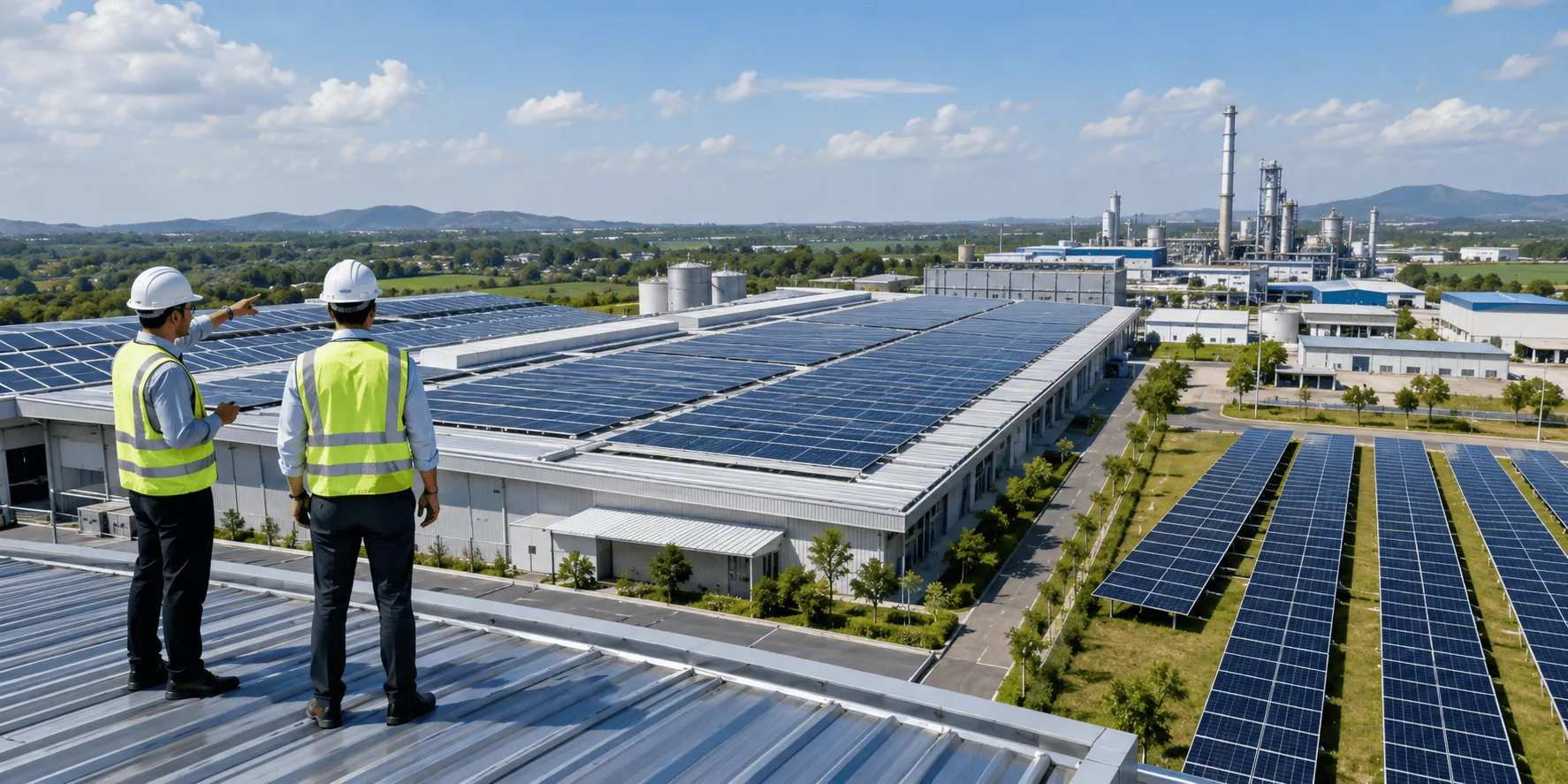




Renewable energy investment is growing rapidly in 2026. Lower technology costs, government support, and rising global demand for clean energy are among the main drivers of this growth. Solar energy, wind energy, and areas such as hydrogen are attracting the most capital. For investors, the main opportunity lies in scalable projects, long-term contracts, and connection to infrastructure. However, success depends on understanding risk, market-entry timing, and execution quality.
Why Investment in Renewable Energy Has Grown
Several structural factors have supported this growth:
Lower Costs
Solar and wind energy have become among the cheapest sources of power generation in many regions.
Government Support
Subsidies, tax incentives, and net-zero policies have accelerated the development of this sector.
Growth in Energy Demand
With electrification and digitalization, global electricity consumption is increasing.
Investor Shift Toward ESG
Large capital flows have moved toward sustainable and low-carbon assets.
👉 Result:
Renewable energy is no longer a limited sector; it has become a core part of global investment portfolios.
Investment Opportunities in Solar Energy
Solar energy remains the fastest-growing sector.
Advantages:
Scalable from small systems to large projects
Lower installation and operation costs
Strong demand in emerging markets
Investment Models:
Large-scale solar power plants
Residential and distributed systems
Solar combined with storage systems (batteries)
👉 Solar advantage:
Faster execution
Easier market entry
Strong long-term demand
Growth of Investment in Wind Energy
Wind energy is expanding, especially in large-scale projects.
Onshore Wind
Lower cost
Mature technology
Wide adoption
Offshore Wind
Higher efficiency
Larger projects
Growth in global investment
👉 Wind energy is highly attractive for:
Long-term infrastructure investors
Regions with strong wind resources, such as Europe, China, and coastal areas
Hydrogen Market Outlook
Hydrogen is one of the most important topics in the future of energy.
Green Hydrogen:
Key for reducing carbon emissions in heavy industries
Suitable for transportation and energy storage
Market Status:
Still in early stages
High production costs
Strong government support
👉 Investor view:
Hydrogen is not a short-term opportunity; it is a long-term strategic investment.
The Role of Government Policies in Renewable Energy Growth
Government support is a key driver of growth in this sector.
Support Tools:
Subsidies and tax incentives
Feed-in tariffs and PPA contracts
Net-zero commitments
Government investment in infrastructure
Leading Regions:
Europe
United States
China
Middle East, with rapid growth
👉 Policy stability plays a decisive role in investment success.
Risks of Investing in Renewable Energy
Despite strong growth, this sector is not without risk:
Regulatory Risk
Changes in regulations can affect project profitability.
Intermittency Challenge
Renewable generation depends on weather conditions.
Capital Intensity
Projects require high upfront investment.
Grid Limitations
Power infrastructure is not always ready to absorb renewable energy quickly.
Technology Risk
Some areas, such as hydrogen, have not yet fully matured.
👉 Risk management requires:
Choosing the right market
Precise project structuring
Connection to infrastructure, including grid and storage
What This Trend Means for Investors in 2026
Renewable energy is shifting from a growth sector into an infrastructure asset class.
Successful investors:
Focus on large projects with long-term contracts
Pay attention to the combination of generation + storage + grid
Enter markets with strong government support
Work with experienced operators
👉 Key shift: from “investing in energy generation”
to “investing in energy systems”
Frequently Asked Questions
Is renewable energy profitable?
Yes, especially in large projects with stable contracts and government support.
Which sector is growing faster?
Solar energy is leading due to scalability and lower costs.
What are the risks of investing in solar energy?
Regulatory changes, grid limitations, and dependence on weather conditions.
Which countries are leading?
China, the United States, and Europe are at the top, while the Middle East is growing rapidly.
Strategic Analysis for Investors and Managers
Today, investing in renewable energy is not limited to choosing a growth sector. It requires coordination between capital, execution, and infrastructure.
Large projects depend on:
Engineering and EPC execution
Grid and infrastructure connection
Coordination of international investment
This complexity has increased the need for integrated structures.
Groups such as those active in energy, infrastructure, and industrial projects make coordinated execution of renewable projects possible.
For investors, this means:
Access to diverse opportunities
Lower execution risk
Better alignment between strategy and project execution
👉 In renewable energy, competitive advantage is not only about choosing the market;
it is about executing the project correctly, at scale, and at the right time.
Renewable Energy Investment Trends 2026 in the UAE and Global Markets
Renewable energy investment continues to accelerate in 2026, driven by global demand for sustainable solutions and energy transition strategies. The UAE is positioning itself as a key hub for clean energy development, attracting investors focused on long-term growth in solar, wind, and advanced energy technologies.
Solar, Clean Energy, and Investment Opportunities in Dubai
Dubai offers strong opportunities for solar energy investment, supported by government initiatives and expanding infrastructure. With growing interest in clean energy trends, companies like Aras Energy are actively involved in developing and supporting renewable projects across the region.