



Energy, oil, and gas projects do not move forward with capital and execution teams alone. If equipment, parts, consumables, and technical services are not supplied at the right time, even a well-designed project can face delays, higher costs, and lower execution quality.
This is why supply chain management is one of the key factors in successful energy projects. In regional projects, using specialized services for oil and gas equipment supply in the UAE can support better procurement, logistics, technical standards, and project scheduling.
Why Is Supply Chain Important in Energy Projects?
In oil, gas, and energy projects, each stage needs specific equipment and services. If one part is not ready on time, the whole project can be affected.
Supply chain in these projects usually includes:
- Industrial and specialized equipment supply
- Procurement of parts and consumables
- Coordination with local and international suppliers
- Transportation and logistics
- Quality control and standards
- Delivery time management
- Technical support after supply
If these parts are managed separately and without coordination, project risk increases.
How Does Supply Delay Affect a Project?
In large projects, a delay in one part or piece of equipment can stop several other activities. This delay does not only extend the execution timeline; it can also increase labor, equipment rental, transportation, and project management costs.
In oil and gas projects, timing is critical. If sensitive equipment arrives late or does not match the technical requirements of the project, the entire execution plan may need to change.
This is why supply is not just a purchasing task. It is part of project risk management.
Equipment Quality and Technical Standards
In energy projects, equipment quality directly affects safety, performance, and the useful life of the project. Non-standard equipment may seem cheaper at first, but it can create higher costs during execution or operation.
When supplying equipment, factors such as technical specifications, safety standards, environmental conditions, working capacity, and maintenance needs must be reviewed.
Equipment that does not match project conditions can lead to early failure, operational shutdowns, or higher repair costs.
The Role of Logistics in Regional Projects
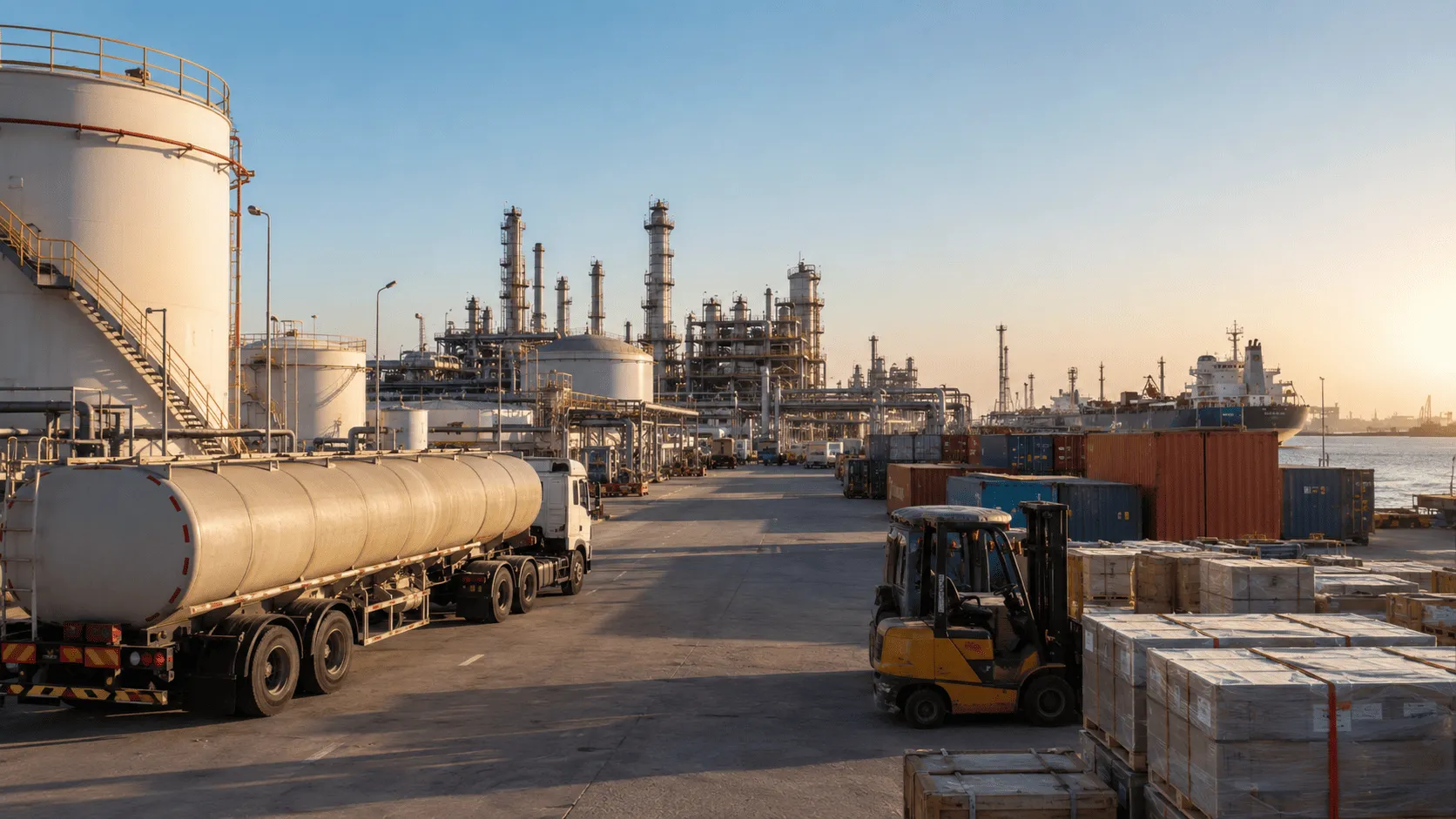
In the Middle East, many energy projects depend on international supply. Equipment may be sourced from several countries and must reach the project site according to a precise schedule.
Logistics in these projects is not only about moving goods. Customs clearance, storage, transport routes, handling conditions, insurance, and coordination with the execution team are also important.
If logistics is not managed properly, even ready-to-ship equipment may reach the project late or face problems during delivery.
Why Is Choosing the Right Supplier Important?
Supplier selection in energy projects should not be based only on price. A low price, if combined with poor quality or unreliable delivery, can increase the final cost of the project.
Before choosing a supplier, several criteria should be reviewed:
- Experience in similar projects
- Ability to provide standard equipment
- Realistic and reliable delivery schedule
- Technical support and after-supply services
- Transparency in contracts and commitments
- Ability to coordinate with project requirements
A suitable supplier must be technically reliable and capable of delivering on its commitments.
Supply Chain and Project Cost Control
A large part of energy project costs is related to purchasing, transportation, storage, and equipment replacement. If the supply chain is not planned properly from the beginning, many hidden costs may appear.
Proper supply chain management can help reduce risks such as:
- Wrong or repeated purchases
- Delays in equipment delivery
- Higher transportation costs
- Execution teams waiting for missing parts
- Repair or replacement costs for unsuitable equipment
- Rework during execution stages
In large projects, cost control is not only about budgeting. It also depends on the quality of supply decisions.
Why Does the Middle East Need a Strong Supply Chain?
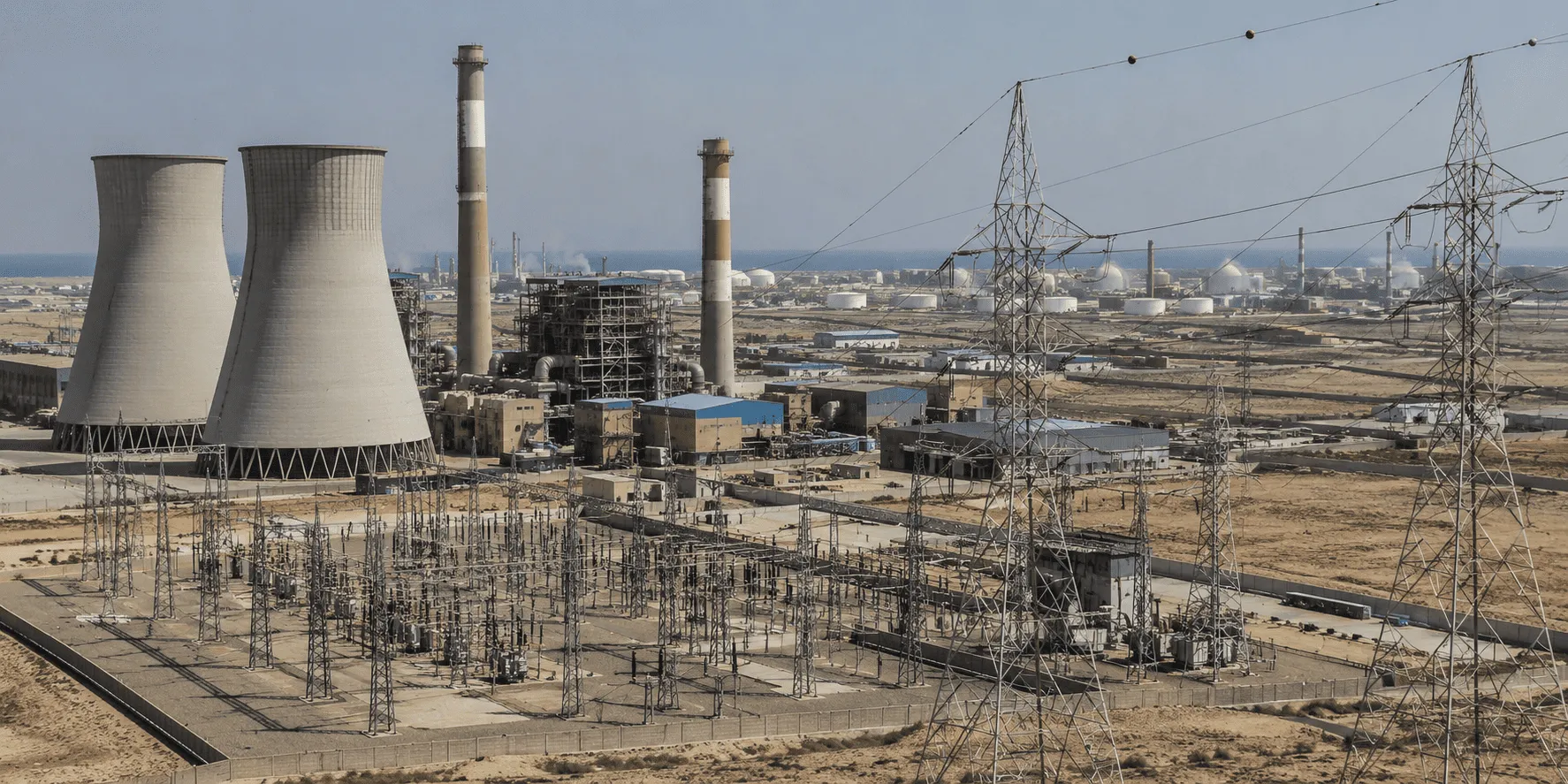
The Middle East is one of the world’s most important regions for energy. Oil, gas, petrochemical, power, and infrastructure projects in this region are usually large-scale and technically complex.
Many of these projects also require specialized equipment, accurate scheduling, and international coordination. This makes a strong supply chain essential for project success.
In markets such as the UAE, which has an important commercial and logistics role in the region, effective supply management can improve both project speed and execution quality.
The Future of Energy Projects with a Smarter Supply Chain
Energy projects in the region are moving toward more precise management, higher standards, and tighter schedules. In this situation, supply chain is no longer just a back-office function; it is one of the main success factors of the project.
Companies that can manage equipment supply, quality control, logistics, and technical support in a coordinated way have a better chance of executing large projects successfully.
In oil, gas, and energy projects, a strong supply chain means fewer delays, better cost control, higher safety, and more reliable execution.
Frequently Asked Questions
What does supply chain include in energy projects?
It includes equipment supply, parts procurement, supplier selection, transportation, customs clearance, quality control, delivery scheduling, and technical support.
Why is equipment supply delay risky?
Because it can extend the execution timeline, increase project costs, and cause execution teams to stop work or change the project schedule.
Is the lowest price always the best choice for equipment supply?
No. In oil and gas projects, quality, standards, delivery time, and technical support are often more important than the initial price.
What role does logistics play in oil and gas projects?
Logistics helps ensure that the right equipment reaches the project site safely and on time. Poor logistics management can cause delays and higher costs.
What should be considered when choosing an oil and gas equipment supplier?
Project experience, equipment quality, technical standards, reliable delivery schedule, contract transparency, and technical support capability are among the most important criteria.