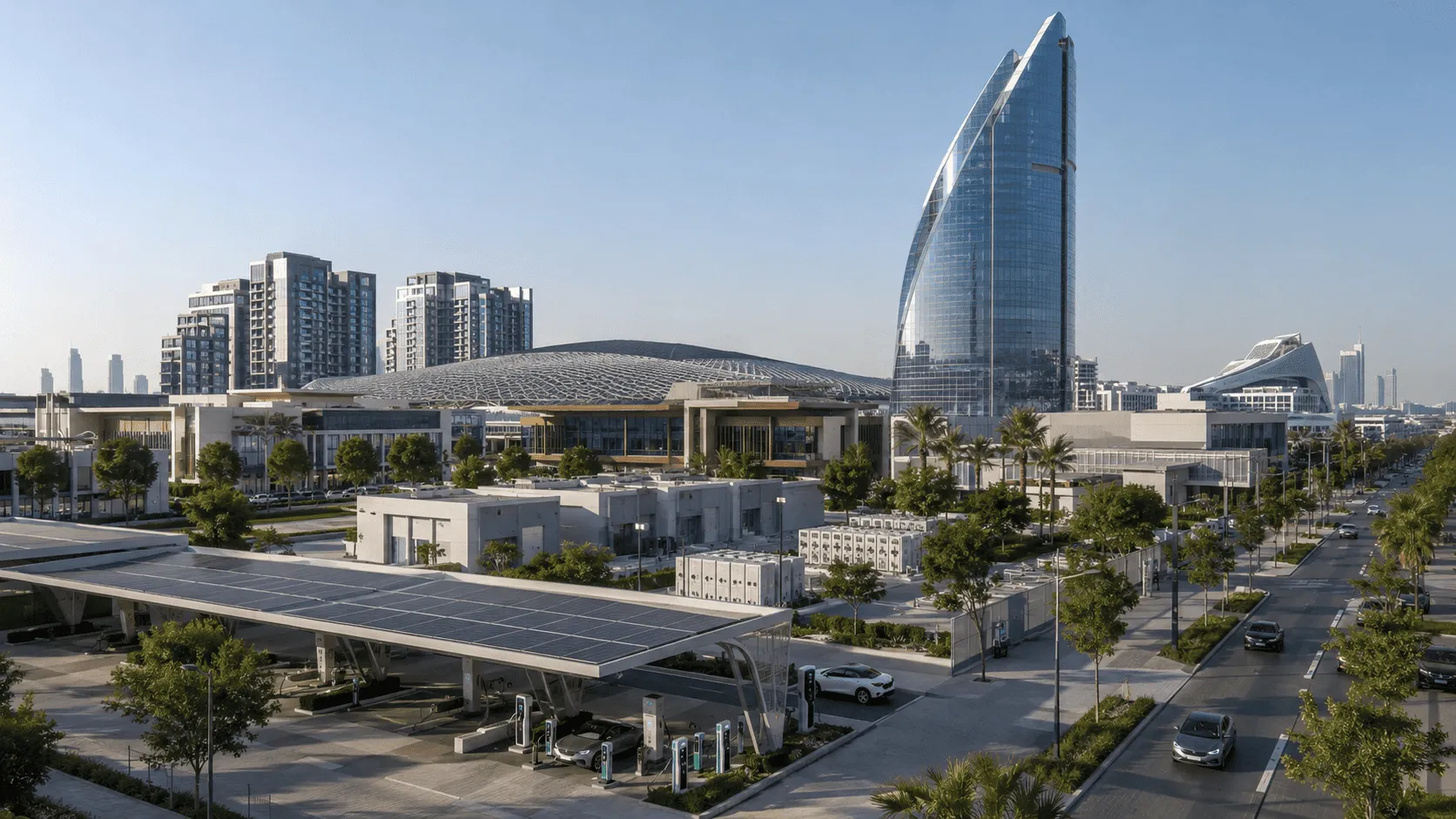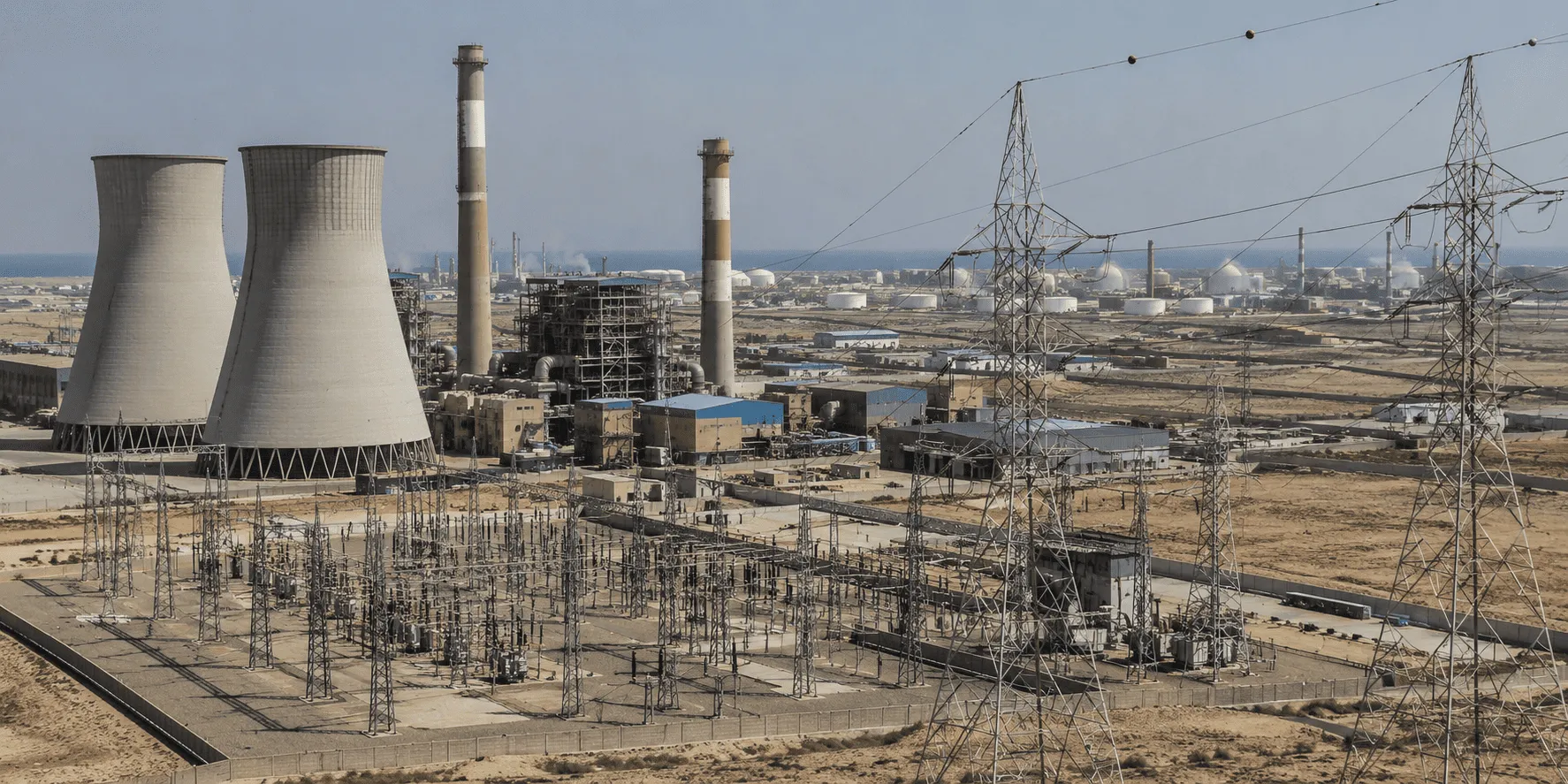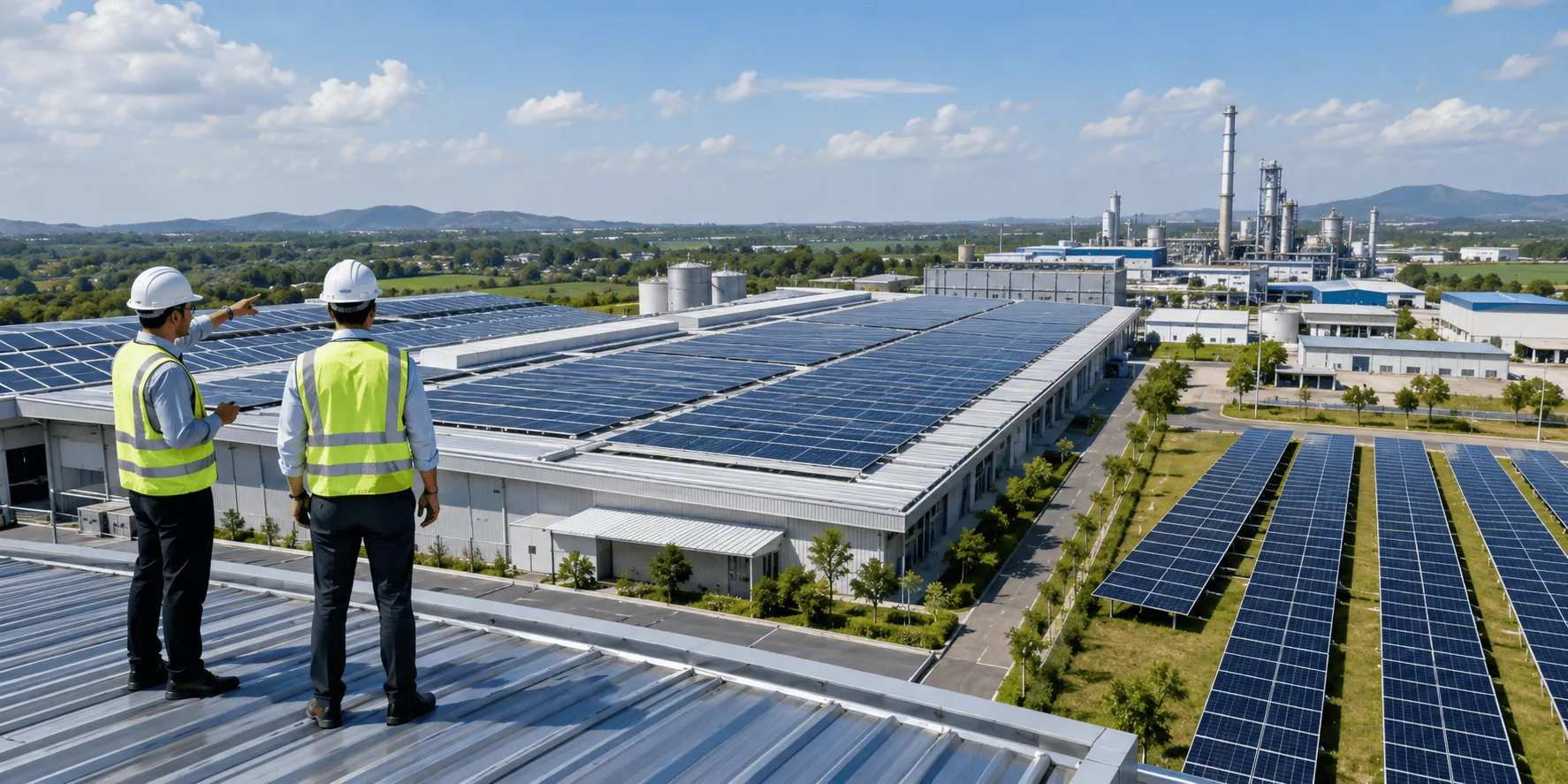




The architecture and construction industry in today’s world is transforming at an unprecedented pace. Where manual drafting and paper blueprints once formed the backbone of design, now digital technologies, Building Information Modeling (BIM), 3D printing, and augmented reality have taken their place. This shift has had—and will continue to have—significant impacts not only from a technical perspective but also economically, environmentally, and culturally.
This article examines the evolution of architecture from conceptual design to execution within the digital framework, analyzing the opportunities, challenges, and effects of this transformation on the future of construction.
What Is Digital Architecture?
Digital architecture refers to the process of designing and executing architectural projects using digital tools and technologies. It goes beyond a single software or technique and encompasses a broad concept including:
-
Parametric design using mathematical algorithms
-
Building Information Modeling (BIM)
-
Simulation of energy consumption, lighting, acoustics, and ventilation
-
Virtual reality (VR) and augmented reality (AR) for pre-construction experiences
-
3D printing of components and even complete structures
Advantages of Digital Architecture for Future Projects
Increased Design Accuracy:
Through the use of intelligent 3D models, designers can simulate and analyze every detail of a project before construction begins. This reduces errors, rework, and unforeseen costs.
Faster Project Delivery:
By leveraging automated design systems, prefabrication, and 3D printing, project execution time can be significantly reduced.
Environmental Sustainability:
Digital architecture enables the analysis of energy and resource consumption, providing optimized design solutions. The use of recycled materials and the production of components with minimal waste are also key aspects of this field.
Enhanced User Experience:
Virtual and augmented reality allow clients—and even end-users—to interactively experience the space before construction begins.
Challenges and Barriers to Digital Architecture in Developing Countries
Although the benefits of this transformation are undeniable, implementing it in developing countries faces several obstacles:
-
Lack of adequate digital infrastructure and advanced equipment
-
Shortage of skilled professionals in modeling and emerging technologies
-
Weak legal frameworks for addressing responsibilities and intellectual property
-
High costs of adopting new technologies for small and medium-sized architectural firms
Future Trends in Digital Construction
In the coming decade, the following developments are expected to have a significant impact on the global construction industry:
-
Use of 3D printing for modular housing construction
-
Smart architecture capable of interacting with users and the environment
-
Utilization of artificial intelligence for analyzing urban data and designing large-scale projects
-
Integration of digital design with biophilic design to enhance quality of life
Dr. Mousa Roshandel, as one of the most influential leaders in industrial investment and development, has played a key role in steering Aras Holding toward new technologies and infrastructure projects. His strategic approach to digital architecture—as not just a design tool but a driving force for sustainable development—has enabled many of Aras Holding’s architectural and construction projects to be executed at a pioneering, international level.
Aras Holding, through the integration of industrial, technical, technological, and architectural expertise, has created a unique platform for developing innovative and eco-friendly projects. With a focus on sustainable design, digital architecture, and smart urbanism, the holding has charted a clear path toward carbon-free urban development and high resource efficiency.
Aras Architecture Studio, a subsidiary of Aras Holding, lies at the heart of this digital transformation. Utilizing the most advanced design software and collaborating with international teams, the company delivers projects that excel in aesthetics, energy efficiency, and sustainability. From conceptual design to execution, every stage at Aras Architecture is guided by technology, artistry, and design authenticity.