



What is industrial investment
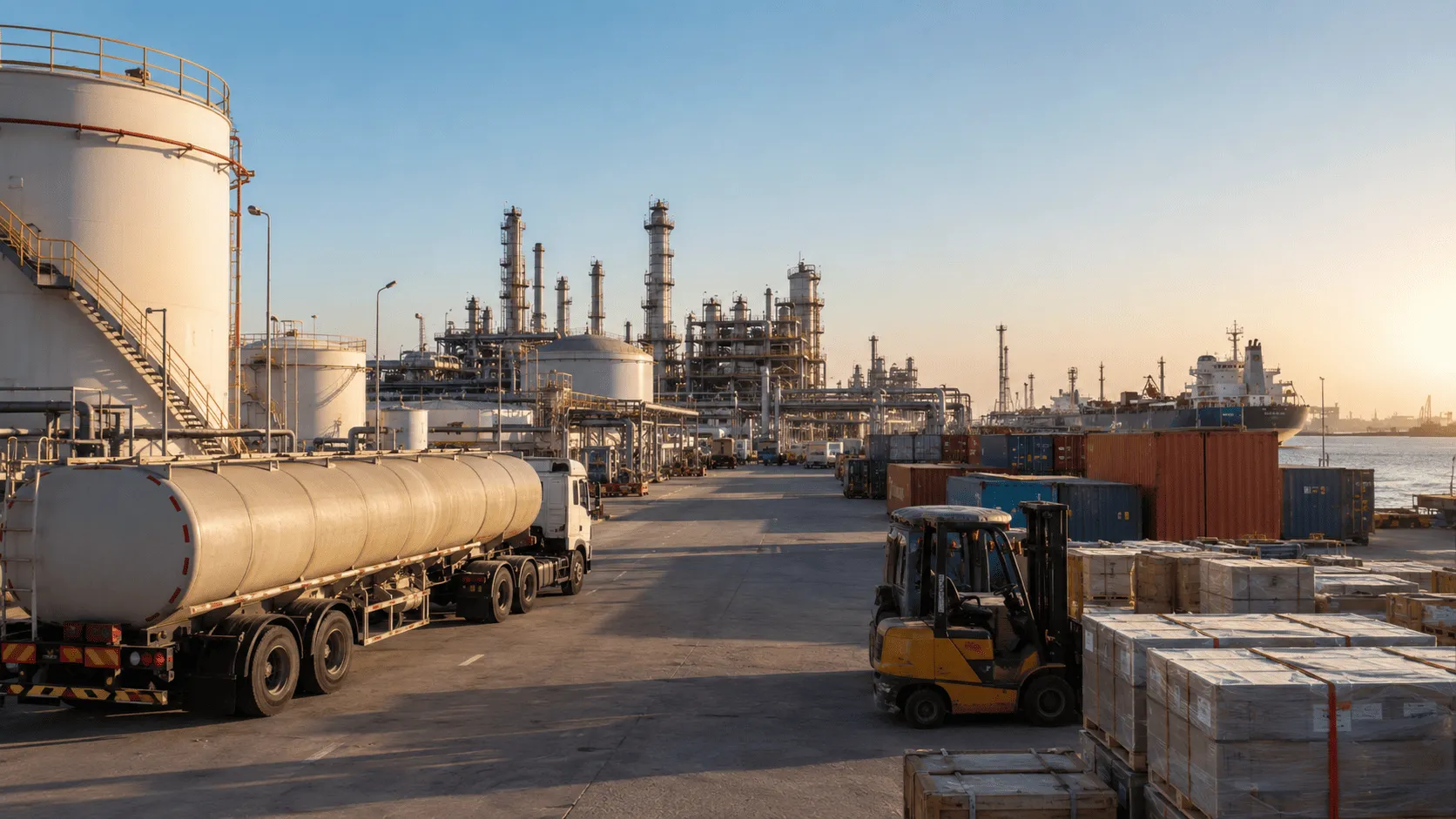
Industrial investment refers to the allocation of capital into sectors that drive large-scale production, infrastructure development, and economic growth. These include industries such as energy, manufacturing, transportation, and heavy infrastructure.
Unlike short-term financial investments, industrial investments are typically long-term, capital-intensive, and focused on building physical assets that generate sustainable returns over time.
Key sectors for industrial investment
Several sectors consistently attract industrial investment due to their strategic importance:
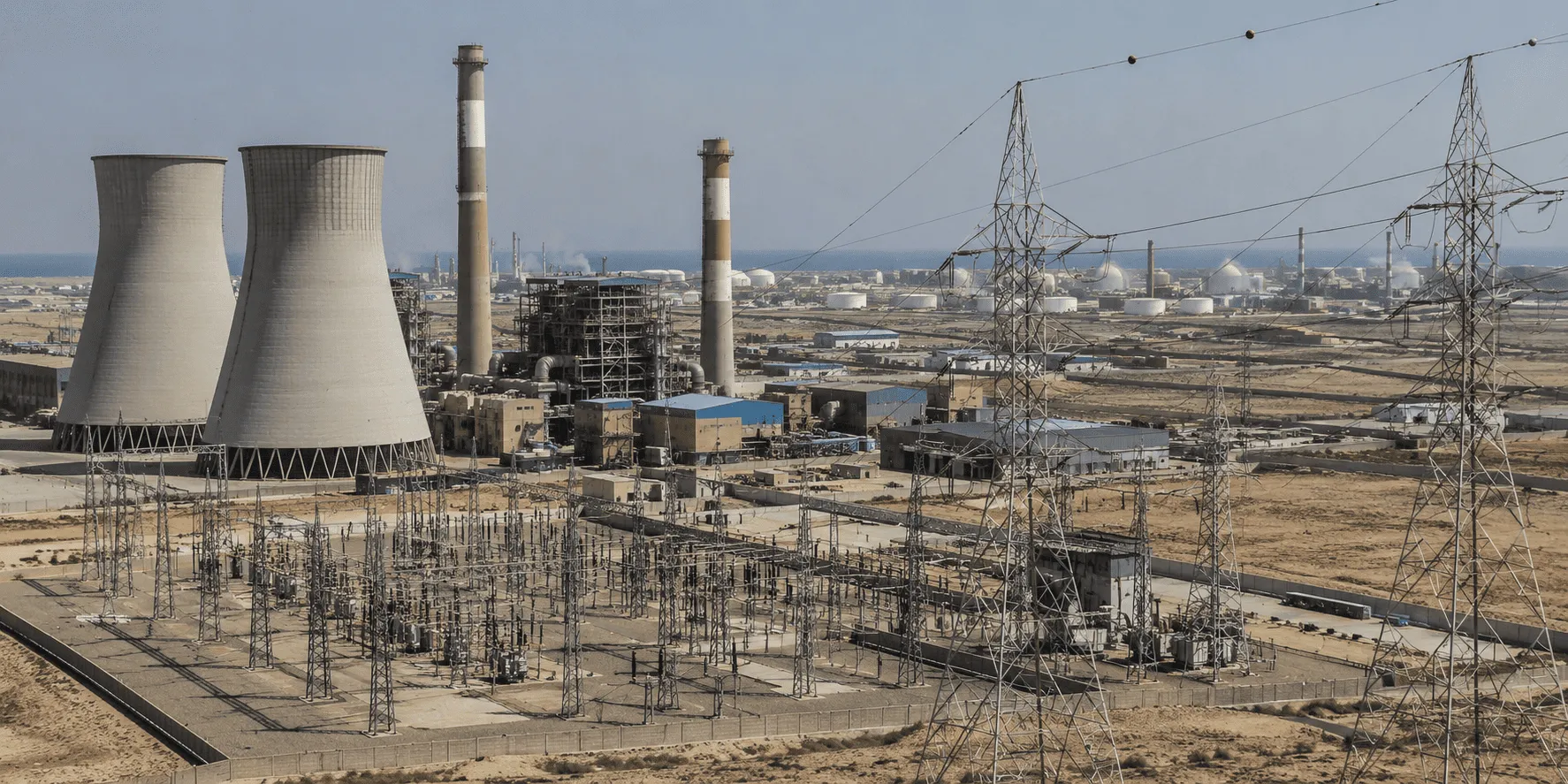
- Energy (oil, gas, renewables)
- Infrastructure (transportation, utilities)
- Manufacturing and industrial production
- Logistics and supply chain systems
- Mining and natural resources
These sectors form the backbone of economic development and offer long-term growth potential.
Long-term infrastructure investment strategies
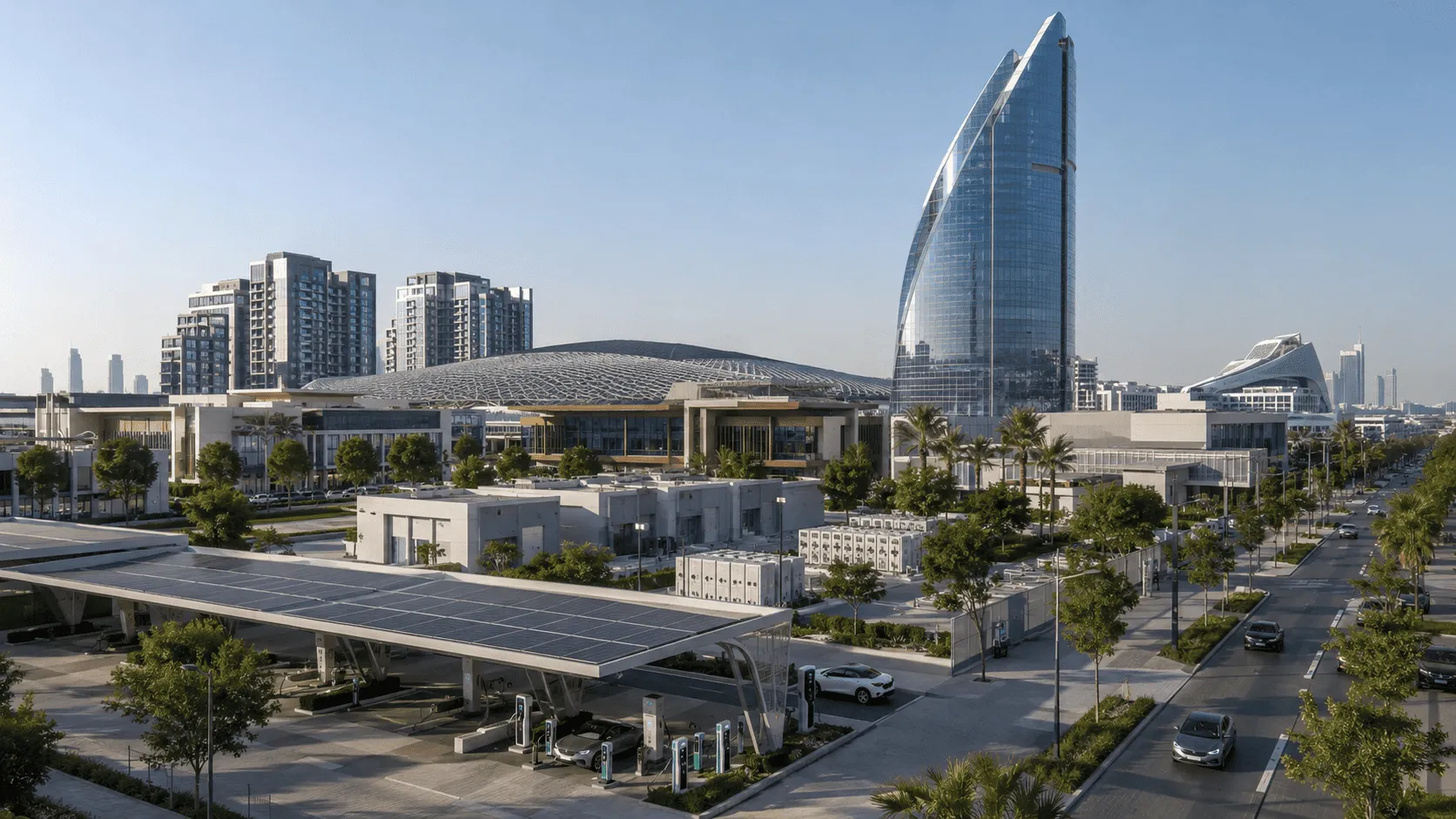
Infrastructure investments are a core component of industrial strategies.
Key approaches include:
- Investing in high-demand regions with growing populations
- Focusing on essential services such as energy and transportation
- Partnering with governments through PPP models
- Prioritizing projects with stable, long-term revenue streams
Infrastructure investments are particularly attractive due to their predictable cash flows and long asset lifecycles.
Diversification across industrial sectors
Diversification is essential for managing risk in industrial investment portfolios.
Investors often:
- Allocate capital across multiple sectors
- Invest in different geographic regions
- Balance between traditional and emerging industries
- Combine high-risk and stable-return projects
This approach reduces exposure to market volatility and enhances long-term stability.
Financing large industrial investments
Financing industrial projects requires complex capital structures.
Common financing methods include:
- Project finance
- Public-private partnerships
- Institutional investment funds
- Sovereign wealth funds
- Debt financing and bonds
Large-scale investments often involve multiple stakeholders and long-term financing agreements.
Future industrial investment trends
Industrial investment is evolving with global economic and technological shifts.
Emerging trends include:
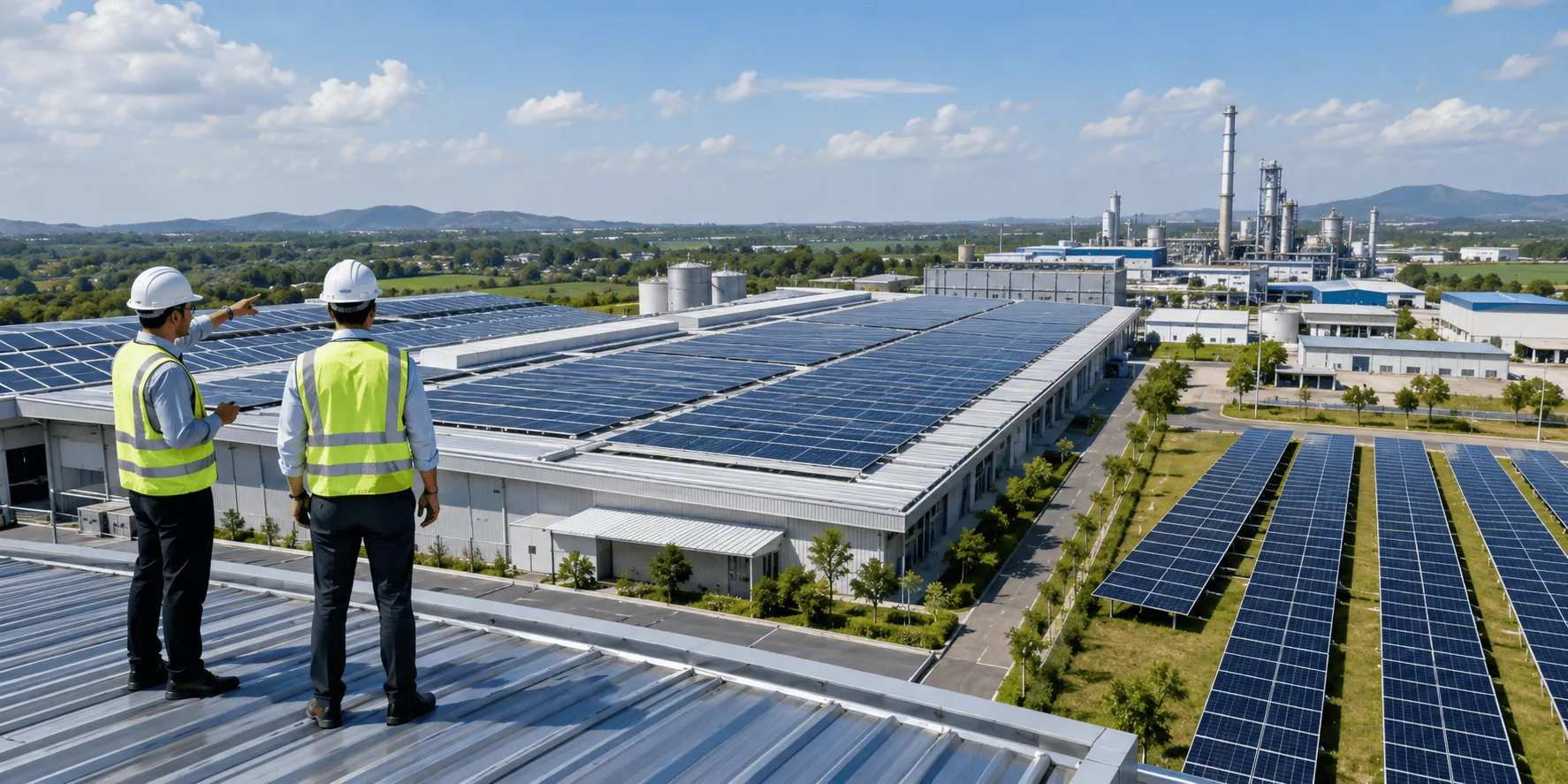
- Increased focus on renewable energy and sustainability
- Integration of digital technologies in industrial operations
- Growth in emerging markets
- Expansion of smart infrastructure and automation
Investors are increasingly aligning their strategies with long-term global trends.
FAQ
What industries attract investment?
Energy, infrastructure, manufacturing, and logistics are among the most attractive sectors.
Is infrastructure a good long-term investment?
Yes, due to stable demand, long asset lifecycles, and predictable returns.
How do investors diversify industrial investments?
By investing across sectors, regions, and risk profiles.
What sectors will grow fastest?
Renewable energy, smart infrastructure, and advanced manufacturing are expected to grow rapidly.
Final Insight
Industrial investment is not just about capital allocation—it is about building the foundations of future economies. Strategic investments in key sectors drive long-term growth, resilience, and global competitiveness.
Management Perspective
“Long-term industrial investment is about vision, not timing. The strongest portfolios are built on infrastructure, energy, and strategic diversification.”
— Dr. Mousa Roshandel, CEO of Aras Holding