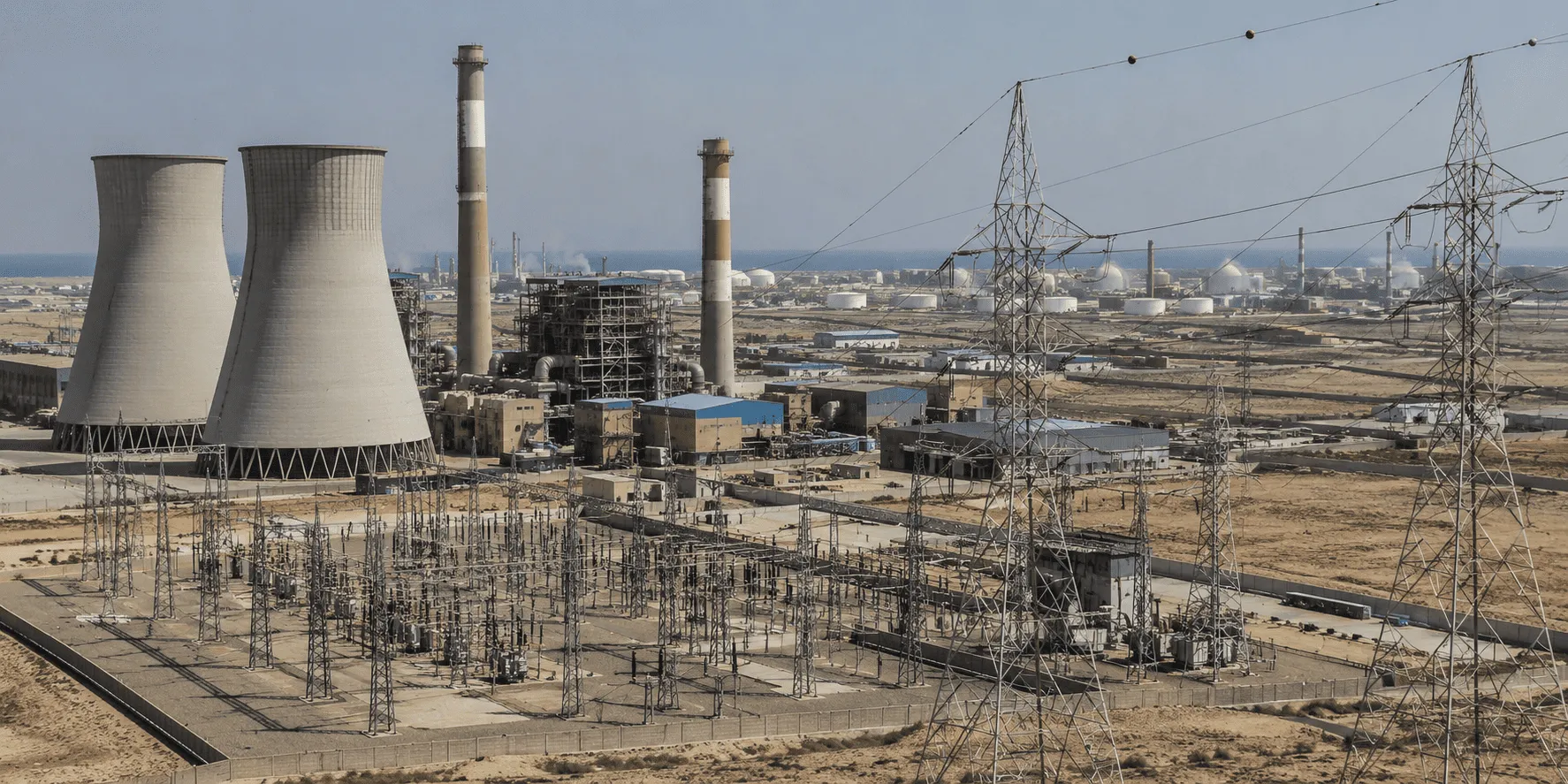




Why risk management matters in megaprojects
Large industrial projects—often referred to as megaprojects—require significant capital, long timelines, and coordination across multiple stakeholders. In such environments, even small disruptions can lead to major financial losses.
Risk management is essential to identify, assess, and mitigate uncertainties before they impact project performance. Without a structured risk management strategy, megaprojects are highly vulnerable to delays, cost overruns, and operational failures.
Financial risks in industrial investments
Financial risks are among the most critical challenges in large-scale projects.
Key financial risks include:
- Budget overruns due to inaccurate cost estimation
- Currency fluctuations in international projects
- Inflation impacting material and labor costs
- Delayed financing or funding gaps
Effective financial planning and contingency budgeting are crucial to maintaining project stability.
Operational risks in construction projects
Operational risks arise during execution phases and can significantly affect timelines and performance.
Common operational risks:
- Construction delays
- Supply chain disruptions
- Equipment failures
- Workforce challenges
Proper planning, contractor selection, and real-time monitoring help reduce these risks.
Regulatory and political risks
Industrial projects, especially in international markets, face regulatory and political uncertainties.
These include:
- Changes in government policies
- Licensing and permit delays
- Environmental regulations
- Political instability in host countries
Understanding the regulatory landscape and engaging with local authorities is essential for risk mitigation.
Strategies to reduce project risks
Successful projects implement structured risk management frameworks:
- Comprehensive risk assessment before project initiation
- Risk allocation through contracts
- Insurance and financial hedging strategies
- Continuous monitoring and reporting systems
- Diversification of suppliers and partners
Proactive risk management increases project resilience and investor confidence.
Case examples of project risk management
Many successful industrial projects have demonstrated effective risk management strategies:
- Energy projects using hedging to manage price volatility
- Infrastructure projects using PPP models to share risks
- Large-scale developments implementing phased execution
These approaches help minimize exposure and ensure long-term project success.
FAQ
What are the biggest risks in industrial projects?
Financial, operational, regulatory, and political risks are the most significant.
How do companies manage project risk?
Through structured planning, risk allocation, monitoring, and mitigation strategies.
Why do megaprojects fail?
Due to poor planning, cost overruns, delays, and lack of risk management.
How can investors reduce risk?
By diversifying investments, conducting due diligence, and partnering with experienced operators.
Final Insight
Risk management is not just a protective measure—it is a strategic tool that determines whether large industrial projects succeed or fail. The ability to anticipate and manage risk defines long-term project viability.
Management Perspective
“In large-scale industrial investments, risk is not something to avoid—it is something to understand, manage, and strategically control.”
— Dr. Mousa Roshandel, CEO of Aras Holding